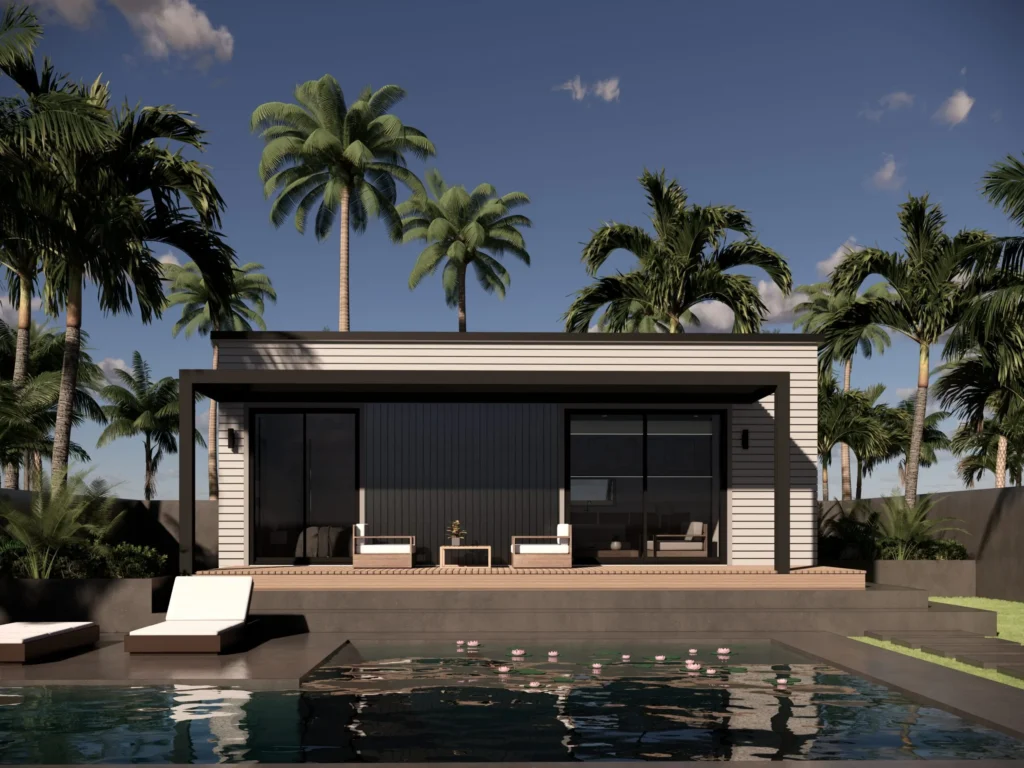
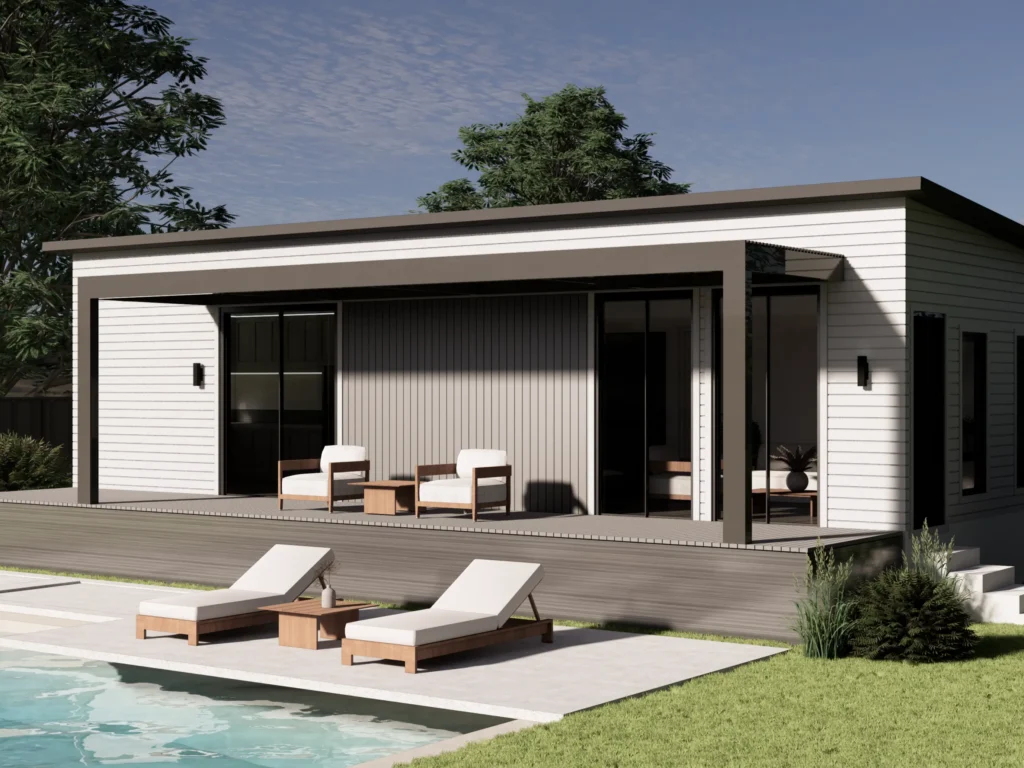
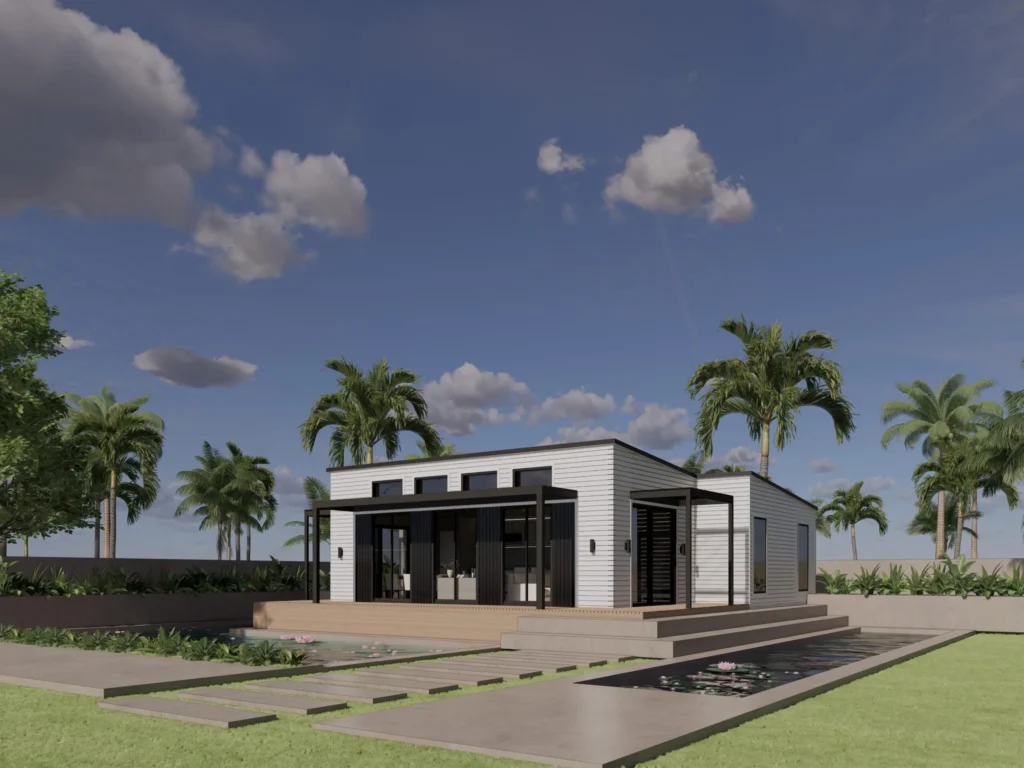
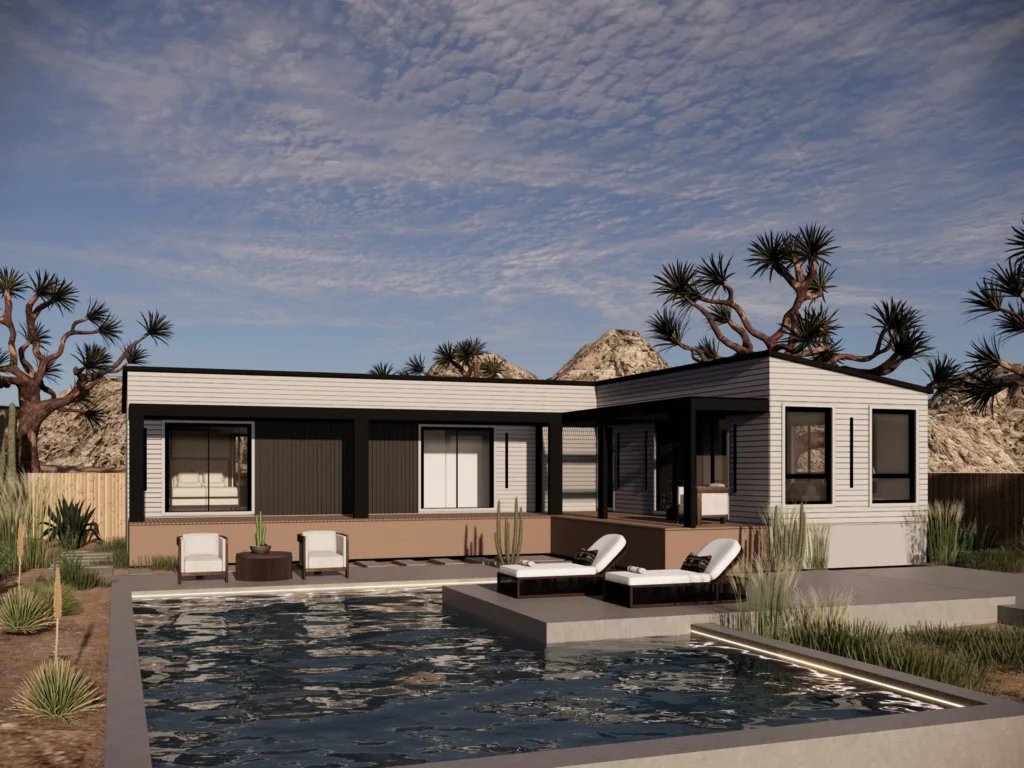
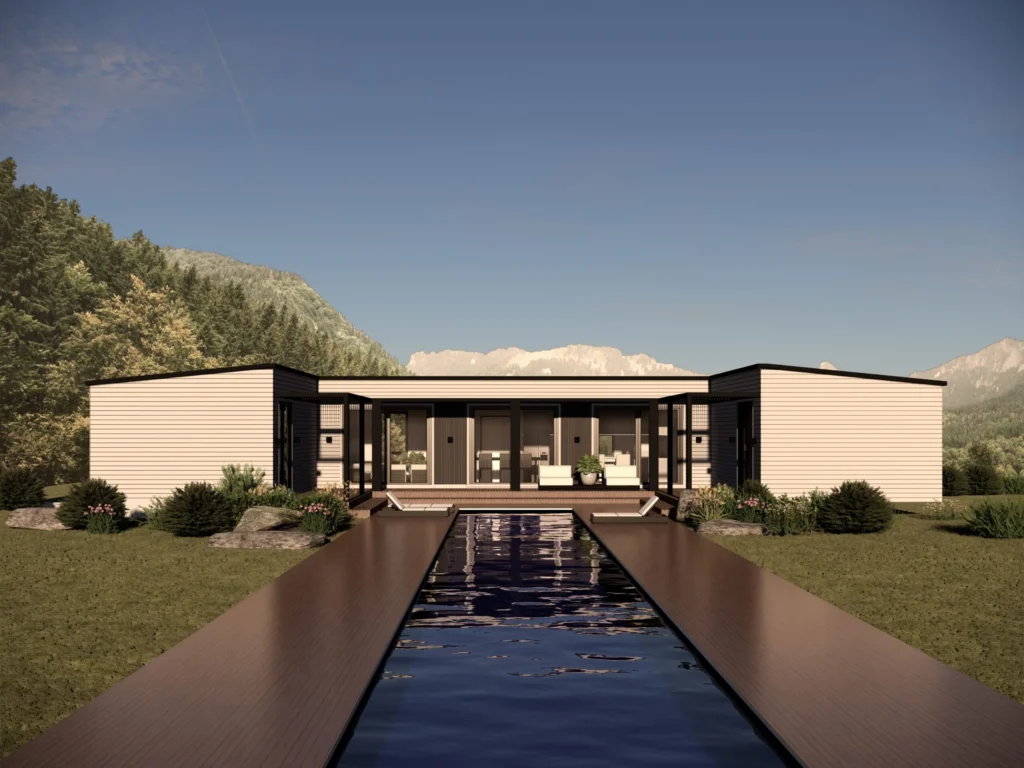
Adding a small extra home called an Accessory Dwelling Unit (ADU) on your property is a great idea for people in California. Many want more space and are deciding between prefab ADUs and traditional ADUs. Both add space and make your home worth more, but they are quite different. Knowing these differences helps you pick the best choice for your home and money.
This guide breaks everything down on how each type works, what costs to expect, how long they take, and why many homeowners are now choosing faster modular solutions from a dependable ADU contractor in California, like Meka Modular.
Why ADUs Are on Every California Homeowner’s Radar
California’s housing challenges are well known. But an ADU solves several things at once without changing where you live.
ADUs offer:
- Extra income from renters
- Private living space for parents, in-laws, adult children
- A home office, guest suite, or personal studio
- Increased property value
- Long-term flexibility
Because of these benefits, homeowners want solutions that are quick, dependable, and predictable, and with this prefab vs traditional debate starts.
Understanding the Two ADU Options
1. Prefab ADUs – Built in a Controlled Factory Setting
A prefab ADU California is created off-site inside a factory. The complete structure (or major sections) is built indoors, transported to your property, and installed on a prepared foundation.
This method:
- Cuts construction time
- Reduces delays from weather
- Gives you a predictable timeline
- Offers consistent build quality
Prefab ADUs from experienced companies like Meka Modular are produced with precision engineering and careful quality control, making the final unit strong, modern, and long-lasting.
2. Traditional ADUs – Built Completely On-Site
A traditional ADU is constructed the same way many houses are built. Materials arrive at your property, and the entire build happens there.
This includes:
- Framing
- Roofing
- Plumbing
- Electrical
- Insulation
- Finishing work
Every part of the work relies on the contractor planning well, having a team ready, good weather, and passing checks. Traditional building projects often take more time due to this and bring costs that can change a lot.
Prefab vs Traditional Comparison
Here is a breakdown to help homeowners see the main differences quickly.
1. Construction Time
Prefab ADUs:
- 50–70% faster
- Factory build and on-site preparation can happen at the same time
- Most installations take only a few weeks once delivered
Traditional ADUs:
- 8–18 months, depending on size, design, and contractor availability
- Weather delays and scheduling conflicts are common
Winner: Prefab ADUs
If speed matters, prefab is the clear choice.
2. Cost Control and Budget Predictability
Prefab ADUs:
- Pricing is largely fixed
- Fewer surprises
- Streamlined production reduces labor costs
Traditional ADUs:
- Costs can go up during construction
- Change orders are common
- Labor shortages in California affect pricing
Winner: Prefab ADUs
They offer more reliable budgeting and fewer unexpected expenses.
3. Build Quality
Prefab ADUs:
- Factory-controlled conditions create consistent results
- Materials stay dry and protected
- Precision tools ensure tight construction
Traditional ADUs:
- Quality depends on the crew
- Weather exposure during construction may affect framing
- Mistakes or rework can add delays
Winner: Prefab ADUs
An indoor building creates a strong, stable unit with fewer variables.
4. Design Flexibility
Prefab ADUs:
- Modern designs with efficient layout options
- Customization depends on the manufacturer
- Modular structures must follow transportation rules
Traditional ADUs:
- Unlimited customization
- Easier to add unique design elements or unusual layouts
Winner: Traditional ADUs (if full customization matters)
For homeowners wanting flexible but practical choices, prefab still provides plenty of options without the long wait.
5. Environmental Impact
Prefab ADUs:
- Less waste
- Optimized material usage
- Lower on-site disturbance
Traditional ADUs:
- More unused material
- Higher transportation footprint
- Longer construction impact on your property
Winner: Prefab ADUs
More efficient and eco-friendly option.
6. On-Site Disruption
Prefab ADUs:
- Faster installation
- Minimal noise and debris
- Shorter presence of workers on your property
Traditional ADUs:
- Months of noise, clutter, and blocked spaces
- Heavy equipment on-site for long periods
Winner: Prefab ADUs
Ideal for homeowners who want less disruption.
Why More Californians Prefer Prefab ADUs Today
California homeowners increasingly choose prefab because it solves the biggest pain points: time, cost, and uncertainty.
Here’s what stands out most:
• Shorter Project Duration
A traditional ADU can take nearly a year or more. A prefab ADU California arrives almost finished, allowing you to use the space much sooner.
• Controlled Quality
Factory construction avoids the risk of weather damage and ensures each unit meets strict standards.
• Predictable Budgets
Since most of the work is predetermined, homeowners know what they’re paying for from the start.
• Cleaner Installation
Your yard is not turned into a long-term construction site.
• Modern Styles and Smart Layouts
Companies such as Meka Modular design units for comfort, privacy, and energy efficiency.
For many, these advantages outweigh the customization benefits of traditional ADUs.
When a Traditional ADU Still Makes Sense
Prefab is gaining popularity, but traditional ADUs still work well in some cases.
Choose a traditional build if:
- Your property has unusual terrain that needs custom engineering
- You want a large, highly personalized design
- You prefer a structure that blends seamlessly with older architecture
- There is no rush, as you want full creative control
If customization sits at the top of your priority list, traditional construction offers more freedom.
Choosing the Right ADU Contractor in California
Choosing the best ADU builders in California matters a lot. Whether you want a prefab or a regular ADU, pick a crew that knows local rules, can get permits, and has done many ADU projects before.
For prefab ADUs, this becomes even more important. You want a manufacturer and builder who:
- Offers durable modular construction
- Provides a clear timeline
- Handles permitting and site preparation
- Uses energy-efficient materials
- Delivers modern layouts that fit California lifestyles
Meka Modular is one of the trusted ADU builders California homeowners look to for fast, reliable, and beautifully designed prefab solutions. With controlled factory production and efficient installation, they make the ADU experience smoother and more predictable.
Which ADU Should You Build?
The answer depends on your priorities.
Choose a Prefab ADU if You Want:
- Faster completion
- Clear pricing
- High-quality finishes
- Less disruption
- A smart, modern layout
- A reliable building experience
Choose a Traditional ADU if You Want:
- Full customization
- A unique design
- A structure that matches an existing home exactly
- No limits on shape or style
Many homeowners in California now pick prefab homes. They like how quick and easy it is. They also feel sure because they know what their home will look like.
Final Thoughts
When adding ADUs, choose prefab or traditional building based on your needs and timeline. Consider if you want to change things a lot. For many people in California, prefab ADUs are faster, easier, and go as planned better. At Meka Modular, we make strong, modern homes and help you from the start, all the way to moving in.
FAQs: Prefab ADUs vs. Traditional ADUs
Can I build a prefab ADU anywhere in California?
Yes. California lets you build both prefab and regular ADUs. Prefab ones still need permits, but they usually get approved faster because their designs are already checked.
Are prefab ADUs cheaper than traditional ones?
Most times, yes. Prefab ADUs cost less because they are made in a factory where materials and work are planned well, and save money.
How fast can a prefab ADU be set up?
Building in the factory can take a few months. But putting the ADU on your land usually takes only a few weeks.
Can I change the design of a prefab ADU?
You can change some things. You can pick different layouts, colors, and materials. Big changes to the structure depend on the company that makes it.
Do prefab ADUs last as long as regular ADUs?
Yes. They are built strong in the factory to last a long time and stay safe during transport.
Who handles the permit paperwork for prefab ADUs?
Many prefab companies, like Meka Modular, help you with permits or take care of them for you.